representation-user-experience-interface-design

CRM Tools and Technology: Leveraging CRM Software for Sales Efficiency

Reading Time: < 1 minute

In the fast-paced world of business, managing customer relationships effectively is crucial for driving sales and fostering growth. Customer Relationship Management (CRM) software has become an essential tool for businesses of all sizes, offering a streamlined approach to organizing customer data, automating tasks, and enhancing team collaboration. However, with so many CRM platforms available, choosing the right one can be a challenge. In this article, we’ll recommend some of the leading CRM platforms, along with their pros and cons, to help you make an informed decision.

CRM software is a technology solution designed to manage a company’s interactions with current and potential customers. It centralizes all customer data, enabling businesses to track communications, manage leads, automate workflows, and analyze customer behavior. With CRM software, sales teams can have a 360-degree view of their customers, allowing for more personalized and effective sales strategies.

Sales efficiency is all about optimizing your sales process to close deals faster and with less effort. CRM software plays a crucial role in achieving this by offering several key benefits:

  1. Centralized Customer Data: CRM software serves as a single source of truth for all customer-related information. It consolidates data from various channels—email, social media, phone calls, and more—into one platform. This centralized approach allows sales teams to access up-to-date customer information instantly, reducing the time spent searching for data and enabling more informed decision-making.
  2. Automated Workflows: Automation is a cornerstone of modern CRM systems. Routine tasks such as sending follow-up emails, scheduling meetings, and tracking interactions can be automated, freeing up valuable time for sales teams to focus on more strategic activities. Automation also ensures that no task falls through the cracks, reducing the risk of losing leads due to oversight.
  3. Enhanced Lead Management: Managing leads effectively is crucial for any sales team. CRM software provides tools to track and nurture leads throughout the sales funnel. With features like lead scoring, sales reps can prioritize high-value prospects and focus their efforts where they are most likely to close deals. Additionally, CRM systems can trigger automated follow-ups based on lead behavior, ensuring timely communication.
man in suit presenting business income report

4. Improved Collaboration: Sales is rarely a solo endeavor. CRM software fosters collaboration by allowing team members to share insights, track progress, and coordinate efforts in real-time. With features like shared calendars, task assignments, and team communication tools, CRM ensures that everyone is on the same page, leading to more cohesive and effective sales strategies.

5. Data-Driven Insights: One of the most powerful aspects of CRM software is its ability to generate actionable insights. By analyzing customer interactions, sales trends, and pipeline data, CRM systems can provide valuable insights that help sales teams refine their strategies. This data-driven approach enables businesses to identify what works, adjust tactics that aren’t yielding results, and make informed decisions that drive growth.

6. Personalized Customer Interactions: Today’s customers expect personalized experiences. CRM software allows sales teams to segment their audience and tailor communications based on individual preferences and behaviors. Personalized interactions not only improve customer satisfaction but also increase the likelihood of closing deals by making customers feel valued and understood.

At Big Pie Creative, we’re committed to helping you find the best tools to enhance your business operations.
 
That’s why we’ve ranked the top CRM platforms, evaluating them based on key factors such as:
  • Ease of use
  • Customization
  • Integration capabilities and
  • Cost-effectiveness.
Our goal is to provide you with clear insights into each option, so you can make an informed decision that aligns with your business needs and drives sales efficiency.

Top CRM Platforms: Pros and Cons

salesforce screenshot

Salesforce is one of the most well-known and widely used CRM platforms in the world. It’s a comprehensive solution that caters to businesses of all sizes, offering a wide range of features and integrations. 

Pros

Highly Customizable: Salesforce offers extensive customization options, allowing businesses to tailor the platform to their specific needs.

Scalable: Suitable for small businesses as well as large enterprises, with solutions that can grow alongside your business.

Extensive App Ecosystem: The Salesforce AppExchange offers thousands of third-party applications that can be integrated to extend functionality.

Robust Reporting and Analytics: Advanced reporting tools and AI-driven insights help businesses make data-driven decisions.

Cons

Complexity: The vast range of features can be overwhelming, especially for small businesses or those new to CRM systems.

Cost: Salesforce is one of the more expensive CRM solutions, which may be prohibitive for smaller companies.

Learning Curve: Due to its complexity, Salesforce requires time and resources to learn and implement effectively.

HubSpot CRM is a popular choice for small to medium-sized businesses, known for its user-friendly interface and robust free version.

hubspot homepage screenshot
Pros

Free Version Available: HubSpot offers a free version with essential CRM features, making it accessible for small businesses and startups.

Ease of Use: The platform is intuitive and easy to navigate, with minimal setup required.

Integrated Marketing Tools: HubSpot seamlessly integrates with its marketing, sales, and service hubs, providing an all-in-one solution for customer management.

Scalable: HubSpot offers paid plans with advanced features that can grow with your business needs.

Cons

Limited Customization: Compared to other CRMs like Salesforce, HubSpot offers fewer customization options.

Costly Add-Ons: While the free version is robust, more advanced features and integrations can quickly add up in cost.

Basic Reporting: The free version offers limited reporting features, which may not be sufficient for more data-driven businesses.

Zoho CRM is a flexible and affordable option, particularly popular among small to medium-sized businesses. It offers a broad range of features at a competitive price point.

zoho crm web page screenshot
Pros

Affordability: Zoho CRM is one of the most cost-effective options, offering a wide range of features at a lower price than many competitors.

Customization: The platform is highly customizable, allowing businesses to adapt the CRM to their specific processes and workflows.

Integration: Zoho CRM integrates well with other Zoho products, as well as third-party applications like Google Workspace and Microsoft 365.

Automation Tools: Zoho offers strong automation features, helping businesses streamline their sales processes and improve efficiency.

Cons

User Interface: Some users find Zoho’s interface less intuitive and more dated compared to other CRM platforms.

Customer Support: While Zoho offers support, some users report that it can be slow or less responsive, particularly on lower-tier plans.

Learning Curve: Although it’s customizable, Zoho can require significant setup time to fully utilize all its features.

Pipedrive is a sales-focused CRM that is ideal for businesses looking for a straightforward, pipeline-driven approach to managing their sales process.

Pros

Sales-Focused: Pipedrive is designed specifically for sales teams, with an easy-to-use visual pipeline that helps manage deals efficiently.

Ease of Use: The platform is simple and intuitive, making it easy for teams to adopt and start using quickly.

Automation: Pipedrive offers powerful automation features to streamline sales tasks and follow-ups.

Affordability: It’s priced competitively, making it a good option for small businesses and startups.

Cons

Limited Features: Compared to more comprehensive CRM platforms, Pipedrive offers fewer features, particularly outside of core sales functions.

Basic Reporting: Reporting capabilities are more basic compared to other CRMs, which may be limiting for businesses with more complex analytics needs.

Limited Integrations: Pipedrive doesn’t offer as many integrations as some of the larger CRM platforms, which could be a drawback for businesses relying on specific tools.

Microsoft Dynamics 365 is a powerful CRM solution that integrates seamlessly with other Microsoft products, making it an excellent choice for businesses already in the Microsoft ecosystem.

Pros

Seamless Integration with Microsoft Products: If your business relies on Microsoft Office, Teams, or Azure, Dynamics 365 offers unparalleled integration.

Customization and Flexibility: Dynamics 365 can be tailored to meet the needs of a wide range of industries and business models.

Advanced AI and Analytics: The platform offers sophisticated analytics and AI-driven insights to help businesses make data-driven decisions.

Scalability: Suitable for businesses of all sizes, from small companies to large enterprises.

Cons

Complexity: Dynamics 365 can be complex to implement and manage, particularly for businesses without a dedicated IT team.

Cost: The platform is on the higher end of the pricing spectrum, especially when factoring in the costs of customization and integration.

Learning Curve: Due to its robust feature set, Dynamics 365 has a steep learning curve, which may require significant training for users.

With countless CRM solutions on the market, selecting the right one for your business can be daunting. Here are some factors to consider when evaluating CRM software:

  • Scalability: Ensure the CRM system can grow with your business. A scalable solution will support your evolving needs as your customer base expands.
  • Ease of Use: The software should be user-friendly, with an intuitive interface that your sales team can quickly learn and adopt.
  • Integration Capabilities: Your CRM should integrate seamlessly with other tools and platforms your business uses, such as email marketing software, customer support systems, and accounting tools.
  • Customization: Every business has unique needs. Choose a CRM that offers customization options, allowing you to tailor the system to your specific sales processes.
  • Mobile Accessibility: In today’s mobile-driven world, having access to your CRM on the go is essential. Ensure the CRM offers a robust mobile app with all the necessary features.

Choosing the right CRM platform is a critical decision that can have a significant impact on your sales efficiency and overall business success. Each of the platforms mentioned above offers unique strengths and potential drawbacks, so it’s essential to consider your business’s specific needs, budget, and existing tools when making your choice.

At Big Pie Creative, we understand the challenges of selecting and implementing the right technology solutions. If you’re looking for guidance on choosing the best CRM for your business or need help optimizing your current system, our team is here to assist. Let’s connect and explore how we can enhance your sales efficiency together.

People walking with social distancing in public

Understanding Your Online Customers: A Comprehensive Guide for Small and Medium Businesses

Reading Time: 6 minutes

In the competitive landscape of online businesses, building strong customer relationships is paramount. A deep understanding of your customers is the cornerstone of success, enabling you to deliver products and services that truly resonate with your target audience. To achieve this, businesses must employ a holistic approach that encompasses customer segmentation, journey mapping, and persona development.

Customer Segmentation: A Strategic Foundation

Customer segmentation involves dividing your customer base into distinct groups based on shared characteristics. By understanding these segments, you can tailor your marketing strategies, product offerings, and customer experiences to address the unique needs and preferences of each group.

Advanced Segmentation Techniques:
  • Behavioral Segmentation:
    Segment customers based on their interactions with your business, such as purchase frequency, purchase value, and browsing behavior. For example, you might identify segments of “high-value” customers who make frequent purchases and “lapsed customers” who haven’t made a purchase in a while.


  • Psychographic Segmentation:
    Explore deeper into customer values, beliefs, and lifestyle factors to understand their motivations and preferences. This can help you create targeted messaging that resonates with their worldview. For example, you might identify a segment of eco-conscious customers who are willing to pay a premium for sustainable products.


  • Sociodemographic Segmentation:
    Consider factors like age, gender, income, education, and occupation to identify target demographics. This can help you tailor your marketing channels and messaging to reach specific groups. For example, you might focus on social media platforms that are popular with your target age group.
Tools to Use:
  • CRM software: Salesforce, HubSpot, Zoho CRM
  • Data analysis tools: Google Analytics, Tableau, Excel
  • Customer survey tools: SurveyMonkey, Typeform
Advantages of Customer Segmentation:
  • Targeted marketing: Develop more effective campaigns by tailoring your messaging and offers.
  • Improved customer satisfaction: Address the specific needs and preferences of each segment.
  • Optimized product offerings: Create products and services that resonate with your target audience.
  • Enhanced customer loyalty: Foster stronger relationships by demonstrating understanding and relevance.

Case Study: Netflix

Netflix, a global streaming giant, has successfully segmented its customer base based on viewing behavior, preferences, and demographics. This segmentation allows Netflix to recommend personalized content and offer tailored pricing plans, leading to increased customer satisfaction and retention.

Source: boardmix.com

Customer Journey Mapping: Visualizing the Customer Experience

Customer journey mapping is a visual representation of the steps a customer takes when interacting with your business. By mapping out this journey, you can identify pain points, opportunities for improvement, and areas where you can provide exceptional value.

Advanced Mapping Techniques:
  • Emotional Journey Mapping:
    Map the emotional experiences customers have at each stage of the journey, identifying opportunities to evoke positive emotions. For example, you might aim to create a sense of excitement and anticipation during the purchase process.


  • Touchpoint Analysis:
    Evaluate the effectiveness of each touchpoint (e.g., website, social media, customer service) and identify areas for improvement. This can help you optimize the customer experience and reduce friction.


  • Customer Effort Score (CES):
    Measure the ease with which customers can accomplish their goals, identifying opportunities to reduce friction. A low CES indicates that customers find it easy to interact with your business, while a high CES suggests that there are areas where you can improve the experience.
Tools to Use:
  • Whiteboard or digital tools: Miro, Mural, Lucidchart
  • Customer journey mapping software: Smaply, Optimal Workshop
Advantages of Customer Journey Mapping:
  • Improved customer experience: Identify and address pain points to enhance customer satisfaction.
  • Optimized marketing efforts: Tailor your messaging and offers to each stage of the journey.
  • Enhanced sales effectiveness: Streamline the sales process and improve conversion rates.
  • Increased customer loyalty: Provide exceptional service at every stage of the journey.

Case Study: Amazon

Amazon, a leading e-commerce platform, has invested heavily in customer journey mapping to understand the entire shopping experience. By identifying pain points such as slow delivery times and unclear returns policies, Amazon has implemented improvements to enhance customer satisfaction and drive repeat purchases.

Source: woopra.com

Customer Persona Development: Creating Detailed Profiles

Customer personas are fictional representations of your ideal customers. By creating detailed profiles, you can better understand their goals, challenges, and motivations. This information can help you tailor your messaging, offerings, and overall approach to resonate with your target audience.

Enhancing Persona Development:
  • Customer Interviews: Conduct in-depth interviews with representative customers to gather qualitative insights. This can help you understand their motivations, pain points, and aspirations on a deeper level.
  • Customer Feedback Analysis: Analyze customer feedback from surveys, reviews, and social media to identify common themes and pain points. This can help you refine your personas and identify areas for improvement.
  • Scenario Planning: Create hypothetical scenarios to explore how customers might react in different situations. This can help you anticipate their needs and preferences and tailor your offerings accordingly.
Tools to Use:
  • Customer research tools: SurveyMonkey, Typeform
  • Mind mapping tools: MindMeister, XMind
Advantages of Customer Persona Development:
  • Targeted marketing: Tailor your messaging and offers to resonate with your ideal customers.
  • Improved product development: Create products and services that address the needs and desires of your target audience.
  • Enhanced customer relationships: Build stronger connections by demonstrating understanding and empathy.

Case Study: Hubspot

Hubspot, a marketing automation platform, has created detailed customer personas to understand the needs and challenges of different types of businesses. By tailoring their messaging and offerings to specific personas, Hubspot has been able to attract and retain a diverse customer base.

Source: hubspot.com
Integrating Customer Data
  • Data Warehouse: Build a centralized data warehouse to store and analyze customer data from various sources. This will provide you with a comprehensive view of your customers and enable you to make data-driven decisions.
  • Data Visualization: Use tools like Tableau or Power BI to visualize customer data and identify trends. This can help you uncover valuable insights and make data-driven decisions.
  • Predictive Analytics: Employ machine learning algorithms to predict customer behavior and anticipate future needs. This can help you personalize your marketing efforts and offer proactive customer service.
Addressing Ethical Considerations
  • Data Privacy: Protect customer data and comply with relevant regulations (e.g., GDPR, CCPA). This is essential for building trust with your customers and avoiding legal issues.
  • Bias and Fairness: Ensure that your data analysis and decision-making processes are fair and equitable. Avoid perpetuating biases that could discriminate against certain groups of customers.

Customer Persona Development: Creating Detailed Profiles

The three components of customer segmentation, journey mapping, and persona development are deeply intertwined and essential for businesses to thrive in the ever-changing landscape of online user behavior.

Interconnectedness:
  • Segmentation informs journey mapping: By understanding different customer segments, businesses can tailor their journey maps to address the specific needs and preferences of each group.
  • Journey mapping informs persona development: Observing customer behavior throughout the journey helps businesses identify common pain points and motivations, informing the creation of more accurate personas.
  • Personas inform segmentation: Understanding customer personas can help businesses identify new segments and refine existing ones.
Why This Approach is Essential in Today’s Landscape:
  • Rapidly Evolving User Behavior: Online user behavior is constantly evolving due to technological advancements, economic conditions, and cultural shifts. A holistic approach allows businesses to adapt quickly to these changes by understanding their customers’ evolving needs and preferences.
  • Increasing Competition: The online marketplace is highly competitive, and businesses must differentiate themselves to attract and retain customers. A deep understanding of customers enables businesses to create unique value propositions and deliver exceptional experiences.
  • Data-Driven Decision Making: In today’s data-driven world, businesses must rely on insights to make informed decisions. Customer segmentation, journey mapping, and persona development provide valuable data that can be used to optimize marketing strategies, product offerings, and customer experiences.

By embracing a holistic approach to understanding their customers, businesses can build stronger relationships, drive customer loyalty, and achieve long-term success in the dynamic online landscape.

Author

Toyinsola Lydia

A results-oriented digital strategist with a proven track record of helping businesses achieve online success.

Documents Paperwork Business Strategy Concept

Rebranding: When and How to Refresh Your Brand Identity

Reading Time: 4 minutes

Rebranding is more than just a cosmetic change; it’s a strategic decision that can significantly impact a company’s trajectory. It’s about recalibrating your brand’s perception to resonate with your target audience, drive growth, and future-proof your business. But when is the right time to rebrand, and how do you do it effectively?

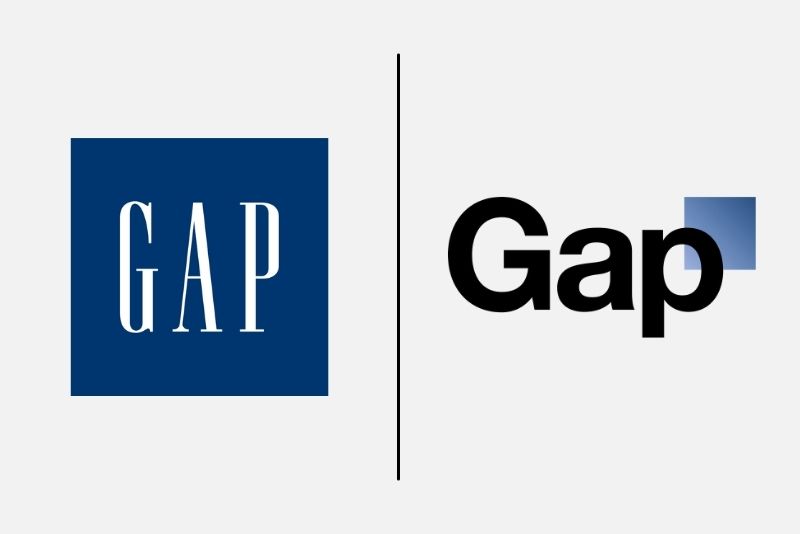
Case Study: Gap's Failed Rebrand

In 2010, Gap attempted a rebrand that was met with overwhelming negative feedback. The new logo was seen as generic and lacked the iconic appeal of the original. This highlights the importance of thorough research and testing before making drastic changes.

Gap's old vs. the new logo. Note: The logo was reverted to the old one after just six days

When to Consider Rebranding

While rebranding can be a powerful tool, it’s not a decision to be taken lightly. Here are some key indicators that it might be time for a brand refresh:

Market Evolution:
  • Changing Customer Preferences: When your target audience’s values, behaviors, or desires shift significantly, your brand may need to adapt to remain relevant.
  • Emerging Competitors: New competitors with disruptive offerings can necessitate a rebrand to differentiate your business.
Business Transformation:
  • Expansion into New Markets: Entering new territories often requires a brand identity that resonates with a different cultural context.
  • Mergers and Acquisitions: Combining two or more brands under a unified identity can streamline operations and create a stronger market presence.
Brand Perception Challenges:
  • Negative Publicity: A crisis or negative press can damage brand reputation, necessitating a rebrand to rebuild trust.
  • Misalignment with Values: When a brand’s actions contradict its stated values, a rebrand can restore credibility.
Internal Shifts:
  • Leadership Changes: New leadership often brings a fresh perspective and strategic direction that may require a brand overhaul.
  • Cultural Evolution: A company culture that has evolved significantly may necessitate a brand identity that reflects the new ethos.

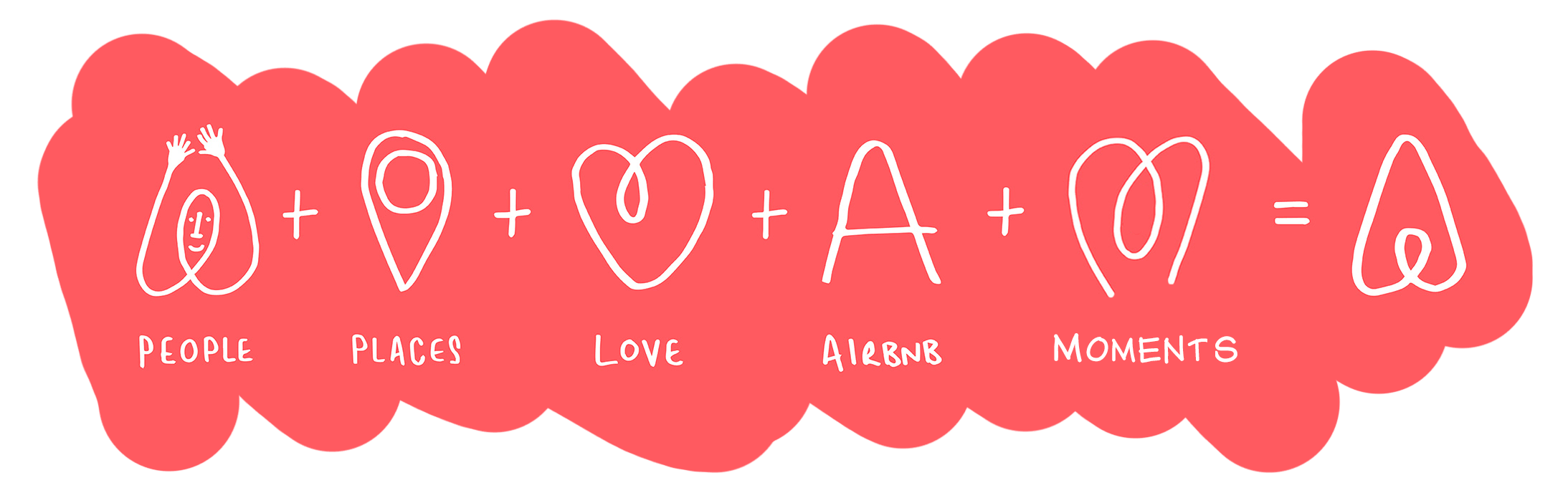
Case Study: Airbnb's Successful Rebrand

Airbnb’s rebrand focused on emphasizing human connection and belonging. By shifting its focus from simply renting accommodations to creating memorable experiences, the company expanded its target audience and solidified its position as a global hospitality brand.

How to Execute a Successful Rebrand

A well-executed rebrand can yield substantial benefits, but it requires careful planning and execution. Here’s a step-by-step approach:

Conduct a Thorough Brand Audit:
  • Assess your current brand’s strengths, weaknesses, opportunities, and threats.
  • Analyze your target audience’s perception of your brand.
  • Benchmark your competitors’ branding strategies.
Define Your New Brand Identity:
  • Clearly articulate your brand’s purpose, values, and target audience.
  • Develop a compelling brand story that resonates with your audience.
  • Create a brand personality that reflects your company’s culture.
Redesign Your Visual Identity:
  • Develop a new logo, color palette, and typography that align with your brand identity.
  • Ensure consistency across all touchpoints, from website to marketing materials.
Refine Your Messaging:
  • Craft clear and compelling messaging that communicates your brand’s value proposition.
  • Develop a consistent tone of voice that reflects your brand personality.
Implement the Rebrand:
  • Create a comprehensive rebranding plan outlining timelines, responsibilities, and budget.
  • Communicate the rebrand internally to ensure employee buy-in and alignment.
  • Launch the rebrand with a well-coordinated marketing campaign.
Monitor and Adapt:
  • Continuously track the impact of the rebrand on brand perception, customer engagement, and business performance.
  • Be prepared to make adjustments based on feedback and market dynamics.

Case Study: Apple

Apple’s brand story is built around innovation, design, and empowering users. Their narrative focuses on challenging the status quo and creating products that enrich people’s lives.

Measuring the ROI of a Rebrand

Measuring the return on investment (ROI) of a rebrand can be challenging, as many of the benefits are intangible and long-term. However, with careful planning and tracking, it’s possible to assess the effectiveness of your rebranding efforts.

Key Metrics to Track

  • Financial Performance:
    • Revenue growth
    • Profit margins
    • Customer lifetime value
    • Customer acquisition cost
  • Brand Awareness and Perception:
    • Brand recognition
    • Brand recall
    • Brand favorability
    • Brand association
  • Customer Engagement:
    • Website traffic
    • Social media engagement
    • Customer satisfaction
    • Net Promoter Score (NPS)
  • Employee Engagement:
    • Employee satisfaction

Challenges in Measuring ROI

  • Time Lag: The impact of a rebrand often takes time to materialize.
  • Attribution: Isolating the specific impact of the rebrand from other factors can be difficult.
  • Intangible Benefits: Some benefits, such as improved brand reputation, are challenging to quantify.

Overcoming Challenges

  • Establish a Baseline: Measure key metrics before the rebrand to establish a benchmark.
  • Track Multiple Metrics: A comprehensive approach is essential to get a holistic view of the rebrand’s impact.
  • Qualitative Feedback: Combine quantitative data with qualitative feedback from customers and employees.
  • Long-Term Perspective: Recognize that the full ROI of a rebrand may take several years to realize.

By carefully selecting metrics, establishing a baseline, and tracking performance over time, you can gain valuable insights into the effectiveness of your rebrand.

Conclusion

Rebranding is a strategic undertaking that requires careful planning, execution, and measurement. By understanding the signs that indicate a rebrand is necessary and following a structured approach, businesses can revitalize their image, connect with their target audience, and drive long-term growth.  

From conducting a thorough brand audit to developing a compelling brand story, the rebranding process involves multiple stages. It’s essential to consider both internal and external factors, such as employee morale and customer perception. 

Ultimately, a successful rebrand is one that aligns with a company’s evolving goals and resonates with its target audience. By investing time and resources into a well-executed rebrand, businesses can position themselves for future success.  

Recommended Book to Read:

Author

Toyinsola Lydia

A results-oriented digital strategist with a proven track record of helping businesses achieve online success.