People walking with social distancing in public

Understanding Your Online Customers: A Comprehensive Guide for Small and Medium Businesses

Reading Time: 6 minutes

In the competitive landscape of online businesses, building strong customer relationships is paramount. A deep understanding of your customers is the cornerstone of success, enabling you to deliver products and services that truly resonate with your target audience. To achieve this, businesses must employ a holistic approach that encompasses customer segmentation, journey mapping, and persona development.

Customer Segmentation: A Strategic Foundation

Customer segmentation involves dividing your customer base into distinct groups based on shared characteristics. By understanding these segments, you can tailor your marketing strategies, product offerings, and customer experiences to address the unique needs and preferences of each group.

Advanced Segmentation Techniques:
  • Behavioral Segmentation:
    Segment customers based on their interactions with your business, such as purchase frequency, purchase value, and browsing behavior. For example, you might identify segments of “high-value” customers who make frequent purchases and “lapsed customers” who haven’t made a purchase in a while.


  • Psychographic Segmentation:
    Explore deeper into customer values, beliefs, and lifestyle factors to understand their motivations and preferences. This can help you create targeted messaging that resonates with their worldview. For example, you might identify a segment of eco-conscious customers who are willing to pay a premium for sustainable products.


  • Sociodemographic Segmentation:
    Consider factors like age, gender, income, education, and occupation to identify target demographics. This can help you tailor your marketing channels and messaging to reach specific groups. For example, you might focus on social media platforms that are popular with your target age group.
Tools to Use:
  • CRM software: Salesforce, HubSpot, Zoho CRM
  • Data analysis tools: Google Analytics, Tableau, Excel
  • Customer survey tools: SurveyMonkey, Typeform
Advantages of Customer Segmentation:
  • Targeted marketing: Develop more effective campaigns by tailoring your messaging and offers.
  • Improved customer satisfaction: Address the specific needs and preferences of each segment.
  • Optimized product offerings: Create products and services that resonate with your target audience.
  • Enhanced customer loyalty: Foster stronger relationships by demonstrating understanding and relevance.

Case Study: Netflix

Netflix, a global streaming giant, has successfully segmented its customer base based on viewing behavior, preferences, and demographics. This segmentation allows Netflix to recommend personalized content and offer tailored pricing plans, leading to increased customer satisfaction and retention.

Source: boardmix.com

Customer Journey Mapping: Visualizing the Customer Experience

Customer journey mapping is a visual representation of the steps a customer takes when interacting with your business. By mapping out this journey, you can identify pain points, opportunities for improvement, and areas where you can provide exceptional value.

Advanced Mapping Techniques:
  • Emotional Journey Mapping:
    Map the emotional experiences customers have at each stage of the journey, identifying opportunities to evoke positive emotions. For example, you might aim to create a sense of excitement and anticipation during the purchase process.


  • Touchpoint Analysis:
    Evaluate the effectiveness of each touchpoint (e.g., website, social media, customer service) and identify areas for improvement. This can help you optimize the customer experience and reduce friction.


  • Customer Effort Score (CES):
    Measure the ease with which customers can accomplish their goals, identifying opportunities to reduce friction. A low CES indicates that customers find it easy to interact with your business, while a high CES suggests that there are areas where you can improve the experience.
Tools to Use:
  • Whiteboard or digital tools: Miro, Mural, Lucidchart
  • Customer journey mapping software: Smaply, Optimal Workshop
Advantages of Customer Journey Mapping:
  • Improved customer experience: Identify and address pain points to enhance customer satisfaction.
  • Optimized marketing efforts: Tailor your messaging and offers to each stage of the journey.
  • Enhanced sales effectiveness: Streamline the sales process and improve conversion rates.
  • Increased customer loyalty: Provide exceptional service at every stage of the journey.

Case Study: Amazon

Amazon, a leading e-commerce platform, has invested heavily in customer journey mapping to understand the entire shopping experience. By identifying pain points such as slow delivery times and unclear returns policies, Amazon has implemented improvements to enhance customer satisfaction and drive repeat purchases.

Source: woopra.com

Customer Persona Development: Creating Detailed Profiles

Customer personas are fictional representations of your ideal customers. By creating detailed profiles, you can better understand their goals, challenges, and motivations. This information can help you tailor your messaging, offerings, and overall approach to resonate with your target audience.

Enhancing Persona Development:
  • Customer Interviews: Conduct in-depth interviews with representative customers to gather qualitative insights. This can help you understand their motivations, pain points, and aspirations on a deeper level.
  • Customer Feedback Analysis: Analyze customer feedback from surveys, reviews, and social media to identify common themes and pain points. This can help you refine your personas and identify areas for improvement.
  • Scenario Planning: Create hypothetical scenarios to explore how customers might react in different situations. This can help you anticipate their needs and preferences and tailor your offerings accordingly.
Tools to Use:
  • Customer research tools: SurveyMonkey, Typeform
  • Mind mapping tools: MindMeister, XMind
Advantages of Customer Persona Development:
  • Targeted marketing: Tailor your messaging and offers to resonate with your ideal customers.
  • Improved product development: Create products and services that address the needs and desires of your target audience.
  • Enhanced customer relationships: Build stronger connections by demonstrating understanding and empathy.

Case Study: Hubspot

Hubspot, a marketing automation platform, has created detailed customer personas to understand the needs and challenges of different types of businesses. By tailoring their messaging and offerings to specific personas, Hubspot has been able to attract and retain a diverse customer base.

Source: hubspot.com
Integrating Customer Data
  • Data Warehouse: Build a centralized data warehouse to store and analyze customer data from various sources. This will provide you with a comprehensive view of your customers and enable you to make data-driven decisions.
  • Data Visualization: Use tools like Tableau or Power BI to visualize customer data and identify trends. This can help you uncover valuable insights and make data-driven decisions.
  • Predictive Analytics: Employ machine learning algorithms to predict customer behavior and anticipate future needs. This can help you personalize your marketing efforts and offer proactive customer service.
Addressing Ethical Considerations
  • Data Privacy: Protect customer data and comply with relevant regulations (e.g., GDPR, CCPA). This is essential for building trust with your customers and avoiding legal issues.
  • Bias and Fairness: Ensure that your data analysis and decision-making processes are fair and equitable. Avoid perpetuating biases that could discriminate against certain groups of customers.

Customer Persona Development: Creating Detailed Profiles

The three components of customer segmentation, journey mapping, and persona development are deeply intertwined and essential for businesses to thrive in the ever-changing landscape of online user behavior.

Interconnectedness:
  • Segmentation informs journey mapping: By understanding different customer segments, businesses can tailor their journey maps to address the specific needs and preferences of each group.
  • Journey mapping informs persona development: Observing customer behavior throughout the journey helps businesses identify common pain points and motivations, informing the creation of more accurate personas.
  • Personas inform segmentation: Understanding customer personas can help businesses identify new segments and refine existing ones.
Why This Approach is Essential in Today’s Landscape:
  • Rapidly Evolving User Behavior: Online user behavior is constantly evolving due to technological advancements, economic conditions, and cultural shifts. A holistic approach allows businesses to adapt quickly to these changes by understanding their customers’ evolving needs and preferences.
  • Increasing Competition: The online marketplace is highly competitive, and businesses must differentiate themselves to attract and retain customers. A deep understanding of customers enables businesses to create unique value propositions and deliver exceptional experiences.
  • Data-Driven Decision Making: In today’s data-driven world, businesses must rely on insights to make informed decisions. Customer segmentation, journey mapping, and persona development provide valuable data that can be used to optimize marketing strategies, product offerings, and customer experiences.

By embracing a holistic approach to understanding their customers, businesses can build stronger relationships, drive customer loyalty, and achieve long-term success in the dynamic online landscape.

Author

Toyinsola Lydia

A results-oriented digital strategist with a proven track record of helping businesses achieve online success.

Documents Paperwork Business Strategy Concept

Rebranding: When and How to Refresh Your Brand Identity

Reading Time: 4 minutes

Rebranding is more than just a cosmetic change; it’s a strategic decision that can significantly impact a company’s trajectory. It’s about recalibrating your brand’s perception to resonate with your target audience, drive growth, and future-proof your business. But when is the right time to rebrand, and how do you do it effectively?

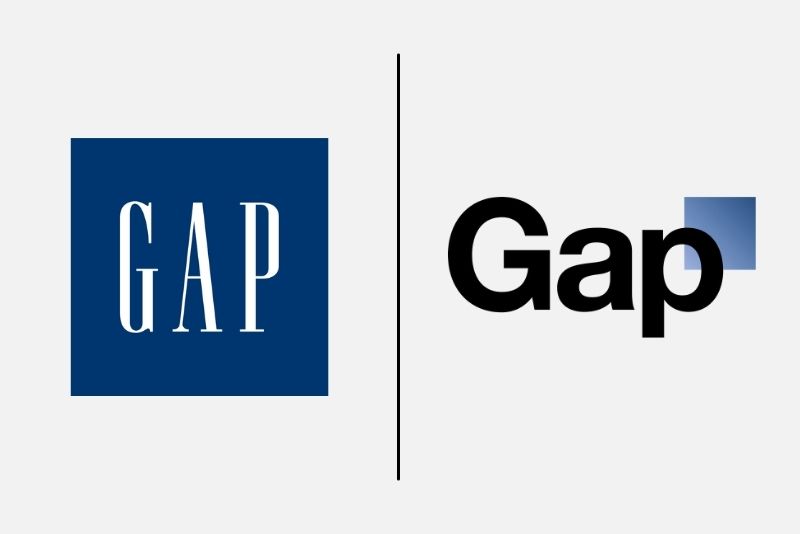
Case Study: Gap's Failed Rebrand

In 2010, Gap attempted a rebrand that was met with overwhelming negative feedback. The new logo was seen as generic and lacked the iconic appeal of the original. This highlights the importance of thorough research and testing before making drastic changes.

Gap's old vs. the new logo. Note: The logo was reverted to the old one after just six days

When to Consider Rebranding

While rebranding can be a powerful tool, it’s not a decision to be taken lightly. Here are some key indicators that it might be time for a brand refresh:

Market Evolution:
  • Changing Customer Preferences: When your target audience’s values, behaviors, or desires shift significantly, your brand may need to adapt to remain relevant.
  • Emerging Competitors: New competitors with disruptive offerings can necessitate a rebrand to differentiate your business.
Business Transformation:
  • Expansion into New Markets: Entering new territories often requires a brand identity that resonates with a different cultural context.
  • Mergers and Acquisitions: Combining two or more brands under a unified identity can streamline operations and create a stronger market presence.
Brand Perception Challenges:
  • Negative Publicity: A crisis or negative press can damage brand reputation, necessitating a rebrand to rebuild trust.
  • Misalignment with Values: When a brand’s actions contradict its stated values, a rebrand can restore credibility.
Internal Shifts:
  • Leadership Changes: New leadership often brings a fresh perspective and strategic direction that may require a brand overhaul.
  • Cultural Evolution: A company culture that has evolved significantly may necessitate a brand identity that reflects the new ethos.

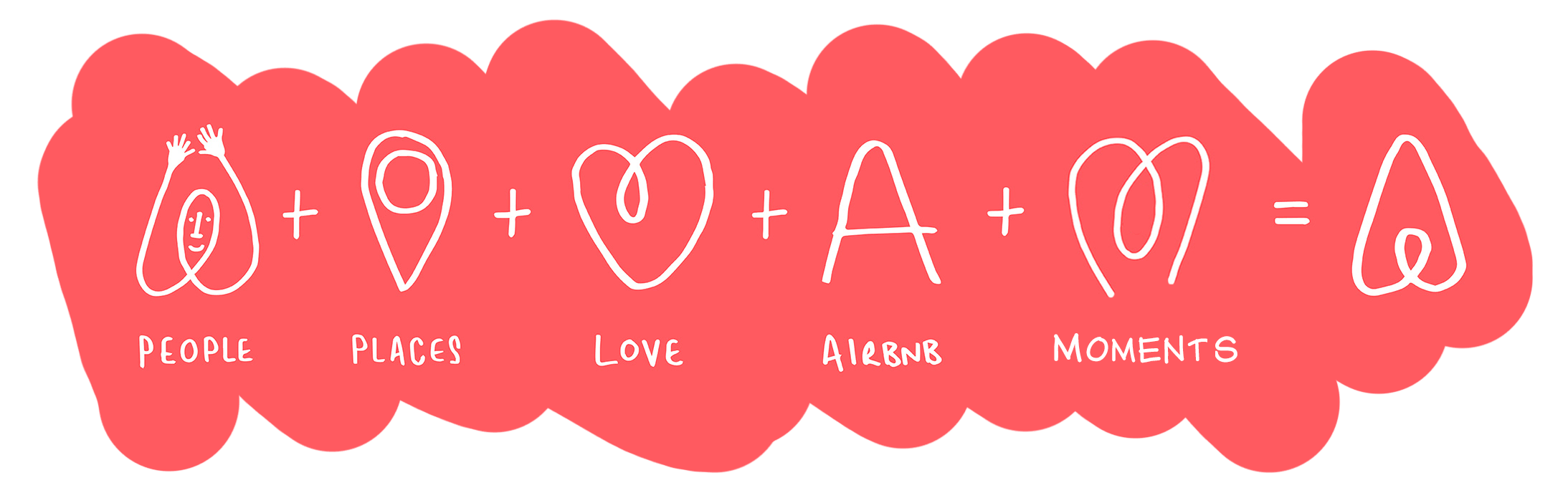
Case Study: Airbnb's Successful Rebrand

Airbnb’s rebrand focused on emphasizing human connection and belonging. By shifting its focus from simply renting accommodations to creating memorable experiences, the company expanded its target audience and solidified its position as a global hospitality brand.

How to Execute a Successful Rebrand

A well-executed rebrand can yield substantial benefits, but it requires careful planning and execution. Here’s a step-by-step approach:

Conduct a Thorough Brand Audit:
  • Assess your current brand’s strengths, weaknesses, opportunities, and threats.
  • Analyze your target audience’s perception of your brand.
  • Benchmark your competitors’ branding strategies.
Define Your New Brand Identity:
  • Clearly articulate your brand’s purpose, values, and target audience.
  • Develop a compelling brand story that resonates with your audience.
  • Create a brand personality that reflects your company’s culture.
Redesign Your Visual Identity:
  • Develop a new logo, color palette, and typography that align with your brand identity.
  • Ensure consistency across all touchpoints, from website to marketing materials.
Refine Your Messaging:
  • Craft clear and compelling messaging that communicates your brand’s value proposition.
  • Develop a consistent tone of voice that reflects your brand personality.
Implement the Rebrand:
  • Create a comprehensive rebranding plan outlining timelines, responsibilities, and budget.
  • Communicate the rebrand internally to ensure employee buy-in and alignment.
  • Launch the rebrand with a well-coordinated marketing campaign.
Monitor and Adapt:
  • Continuously track the impact of the rebrand on brand perception, customer engagement, and business performance.
  • Be prepared to make adjustments based on feedback and market dynamics.

Case Study: Apple

Apple’s brand story is built around innovation, design, and empowering users. Their narrative focuses on challenging the status quo and creating products that enrich people’s lives.

Measuring the ROI of a Rebrand

Measuring the return on investment (ROI) of a rebrand can be challenging, as many of the benefits are intangible and long-term. However, with careful planning and tracking, it’s possible to assess the effectiveness of your rebranding efforts.

Key Metrics to Track

  • Financial Performance:
    • Revenue growth
    • Profit margins
    • Customer lifetime value
    • Customer acquisition cost
  • Brand Awareness and Perception:
    • Brand recognition
    • Brand recall
    • Brand favorability
    • Brand association
  • Customer Engagement:
    • Website traffic
    • Social media engagement
    • Customer satisfaction
    • Net Promoter Score (NPS)
  • Employee Engagement:
    • Employee satisfaction

Challenges in Measuring ROI

  • Time Lag: The impact of a rebrand often takes time to materialize.
  • Attribution: Isolating the specific impact of the rebrand from other factors can be difficult.
  • Intangible Benefits: Some benefits, such as improved brand reputation, are challenging to quantify.

Overcoming Challenges

  • Establish a Baseline: Measure key metrics before the rebrand to establish a benchmark.
  • Track Multiple Metrics: A comprehensive approach is essential to get a holistic view of the rebrand’s impact.
  • Qualitative Feedback: Combine quantitative data with qualitative feedback from customers and employees.
  • Long-Term Perspective: Recognize that the full ROI of a rebrand may take several years to realize.

By carefully selecting metrics, establishing a baseline, and tracking performance over time, you can gain valuable insights into the effectiveness of your rebrand.

Conclusion

Rebranding is a strategic undertaking that requires careful planning, execution, and measurement. By understanding the signs that indicate a rebrand is necessary and following a structured approach, businesses can revitalize their image, connect with their target audience, and drive long-term growth.  

From conducting a thorough brand audit to developing a compelling brand story, the rebranding process involves multiple stages. It’s essential to consider both internal and external factors, such as employee morale and customer perception. 

Ultimately, a successful rebrand is one that aligns with a company’s evolving goals and resonates with its target audience. By investing time and resources into a well-executed rebrand, businesses can position themselves for future success.  

Recommended Book to Read:

Author

Toyinsola Lydia

A results-oriented digital strategist with a proven track record of helping businesses achieve online success.

Smiling multiracial coworkers giving high five eating pizza together at office break, happy diverse male colleagues join hands celebrating success achievement, friendship and good relations concept

The ROI of Design: How Good Design Pays Off

Reading Time: 5 minutes

Unlock the Power of Good Design: How It Drives Business Growth (and Saves You Money)

In this article, you'll discover:

  • The hidden financial benefits of good design: We’ll unveil the concept of ROI in design and how it can translate to real dollars and cents for your business.
  • Real-world examples: See how major companies leveraged design to achieve measurable success.
  • Common pain points addressed: Learn how good design solves problems for both businesses and designers.

Have you ever felt frustrated by stakeholders who dismiss design as a “cosmetic afterthought”? Or maybe you’re a designer tired of struggling to justify the value you bring? You’re not alone. Many businesses still fail to recognize the power of good design, leading to a disconnect between stakeholders and design teams.

This can manifest in several ways:

  • Stakeholders: Budgetary constraints, a focus on short-term gains over long-term value, and difficulty measuring the impact of design can lead to underinvestment.
  • Designers: Difficulty communicating the value proposition of design, frustration with revisions based on personal preferences rather than data, and a lack of support for user-centered design methodologies.
    The good news is, there’s a solution: demonstrating the ROI of design.

By quantifying the financial benefits of good design, you can bridge the gap between stakeholders and designers. Keep reading to see how design can become a strategic asset, not just an expense.

So, how exactly does good design translate to financial gain? Here's the magic: good design impacts your bottom line in two key ways:

1. External Values

This refers to how design influences your customer experience. Imagine a website that’s intuitive and visually appealing, guiding users effortlessly towards a purchase. Or a product packaging that’s clear, informative, and grabs attention on a crowded shelf. These are all examples of design that enhances customer satisfaction, loyalty, and ultimately, sales and conversions.

Case Study: Dollar Shave Club

Dollar Shave Club disrupted the razor industry with its quirky branding and user-friendly online experience. Their website, designed for ease of use and subscription sign-up, was a major factor in their rapid growth and eventual acquisition by Unilever for a whopping $1 billion.

dollar shave club ad

2. Internal Values

Design isn’t just about customer-facing experiences. A well-designed internal workflow, for instance, can streamline development processes, minimize errors and rework, and improve communication within teams. This translates to increased efficiency, reduced costs, and a more productive workforce.

Case Study: Mailchimp

Email marketing platform Mailchimp completely revamped their user interface in 2014. The new design, focused on clarity and ease of use, not only improved customer satisfaction but also empowered their in-house team to develop features faster and more efficiently.

Source: Medium

Mailchimp 2001

Source: Clikcnathan

Mailchimp 2015

Source: Medium

Mailchimp 2023

Measuring the Impact: From Frustration to Facts

Now, you might be wondering: how can we actually measure the impact of design? While design’s influence can be multifaceted, there are concrete metrics to consider:

Sales figures & Conversion Rates:

Track how these change after a design implementation. Did a website redesign lead to a rise in online orders and conversions (percentage of visitors who take a desired action)? Tools like Google Analytics and Shopify reports can provide this data.

Customer Satisfaction Surveys & A/B Testing:

Gauge user feedback through surveys (e.g., Net Promoter Score *article coming soon, subscribe to newsletter for updates*) and conduct A/B testing, where you compare two versions of a design element (e.g., call to action button) to see which one performs better. Tools like SurveyMonkey and Google Optimize alternatives can help with this.

Website Analytics & User Engagement:

Analyze user behavior with website analytics tools like Hotjar or Crazy Egg. These tools can track user clicks, scrolls, and heatmaps to understand how design choices influence user interaction and engagement (time spent on a page, click-through rates).

By tracking these metrics and using the right tools, you can build a data-driven case for the ROI of design. This empowers you to move beyond subjective opinions and demonstrate the tangible financial ben

Remember
When measuring design impact, consider both short-term and long-term effects. A website redesign might show an immediate increase in conversions, but its impact on brand perception and customer loyalty may take longer to materialize.

By employing a combination of these metrics and tools, you can paint a clear picture of how design is driving business success. This data can then be used to inform future design decisions and secure ongoing support for design initiatives within your organization.

Benefits of Tracking ROI on Design

So, why should you bother tracking the ROI of design? Here are some key benefits, illustrated with examples:

Justifies investment in design:

By demonstrating the measurable financial benefits of design, you can secure buy-in from stakeholders who may be hesitant to allocate resources. Imagine a company debating a mobile app redesign. Tracking the ROI of the redesign could reveal a 20% increase in app conversions, directly translating to more sales and a significant return on investment. This data becomes powerful ammunition when advocating for design budgets.

Informs design decisions:

Data-driven insights can guide future design projects, ensuring your design efforts are strategically aligned with business goals. For instance, A/B testing on a product page might show that a simpler layout with high-quality product images leads to a higher click-through rate for “add to cart.” This data can then inform the design of future product pages, optimizing the user experience for conversions.

Improves design effectiveness:

Tracking metrics allows you to identify what’s working and what’s not, enabling you to continuously refine and improve the effectiveness of your design approach. Let’s say you implemented a new design system for your website. Tracking user behavior can reveal areas where the system might be confusing or hindering navigation. This feedback loop allows you to iterate and improve the design system, ensuring it truly enhances the user experience.

Strengthens communication:

By speaking the language of numbers, designers can effectively communicate the value they bring to the table, fostering stronger collaboration with other departments. Imagine a designer presenting website analytics data that shows a redesigned checkout process led to a 30% reduction in abandoned carts.

Conclusion: Design is a Strategic Investment, Not Just a Cost

In today’s competitive landscape, good design is no longer a luxury; it’s a strategic imperative. By measuring the ROI of design, you can unlock its true potential to drive business growth, improve customer experience, and boost your bottom line.

Remember, design is an investment, not just an expense. By tracking results and using data to inform your design decisions, you can continuously refine your approach and ensure your design efforts are delivering a measurable return.

Ready to harness the power of design for your business? Big Pie Creative can help. We are a team of passionate designers who specialize in creating data-driven design solutions that get results. Contact us today for a free consultation and see how we can help you unlock the ROI of design!

Author

Toyinsola Lydia

A results-oriented digital strategist with a proven track record of helping businesses achieve online success.

colleagues-working-their-laptops

Marketing Emails vs. Sales Emails: Understanding the Difference and Who Does What

Reading Time: 4 minutes

In the dynamic world of digital communication, emails continue to be a powerhouse tool for businesses to connect with their audience. However, not all emails serve the same purpose. Two primary types of business emails – marketing emails and sales emails – play distinct roles in a company’s communication strategy. While they may seem similar at first glance, they serve different purposes and are typically handled by different teams.

Let’s dive deep into the key differences between marketing emails and sales emails, explore who’s responsible for each, and look at some real-life examples to illustrate these differences.

Marketing Emails: Building Brand Awareness and Nurturing Leads

Purpose:

Marketing emails aim to:
  • Increase brand awareness
  • Educate the audience about products or services
  • Nurture leads through the sales funnel
  • Build and maintain relationships with a broad audience

Characteristics:

  • Sent to a large, segmented audience
  • Focus on providing value through content
  • Often include newsletters, product updates, and educational material
  • Have a broader, less personalized approach
  • – Designed with attractive visuals and brand elements

Who's Responsible?

Marketing emails are typically created and managed by the marketing team. This includes:
  • Content marketers
  • Email marketing specialists
  • Graphic designers
  • Marketing managers

Real-Life Example: Spotify's Wrapped Campaign

Spotify Wrapped Email
Source: Mailsoftly
Spotify Wrapped Email
Source: Reddit. r/twicebittendnd

Spotify’s annual “Wrapped” campaign is a perfect example of effective marketing emails. Each year, Spotify sends personalized emails to its users summarizing their listening habits. These emails:

  • Boost brand engagement by encouraging users to share their “Wrapped” results on social media
    Provide value by offering insights into the user’s music preferences
    Subtly promote Spotify’s features and encourage continued use of the platform
  • The marketing team at Spotify collaborates to create these emails, combining data analysis, content creation, and graphic design to produce a highly shareable and engaging campaign.

Sales Emails: Closing Deals and Driving Revenue

Purpose

  • Convert leads into customers
  • Move prospects through the sales pipeline
  • Close deals and generate revenue
  • Address specific pain points of individual prospects

Characteristics

  • Sent to a smaller, more targeted audience
  • Highly personalized and tailored to the recipient
  • Focus on the prospect’s specific needs and how the product/service can help
  • Often include product demos, pricing information, and direct calls-to-action
  • Usually text-based with minimal design elements

Who's Responsible?

Sales emails are typically handled by the sales team, including:

  • Sales representatives
  • Account executives
  • Sales managers
  • Business development representatives

Real-Life Example: Salesforce's Personalized Demo Invitation

Salesforce Demo Invitation Email
Source: Vertical Response

Salesforce, a leading CRM platform, often sends personalized sales emails to potential clients. Here’s an example of how they might structure such an email:

Subject: Boost Your Sales Efficiency with Salesforce – Personalized Demo for [Company Name]

Dear [Prospect’s Name],

I hope this email finds you well. I recently came across [Company Name] and was impressed by your recent expansion into [specific market or achievement].

Given your company’s growth, I believe Salesforce could significantly enhance your sales processes. Our clients in [similar industry] have seen an average 28% increase in sales productivity after implementing our CRM solution.

I’d love to show you how Salesforce can be tailored to [Company Name]’s specific needs. Are you available for a 30-minute personalized demo next Tuesday at 2 PM?

Looking forward to potentially working together,

[Sales Rep Name]

Account Executive, 

Salesforce

This email demonstrates key sales email characteristics:

  1. Personalized to the recipient and their company
  2. Addresses a specific pain point (sales efficiency)
  3. Offers concrete value (28% increase in productivity)
  4. Includes a clear call-to-action (scheduling a demo)

The Overlap and Collaboration

While marketing and sales emails serve different purposes, there’s often overlap and collaboration between the two:

  1. Lead Handoff: Marketing emails nurture leads until they’re sales-ready, then hand them off to the sales team.
  2. Content Sharing: Sales teams may use content created by marketing in their personalized emails.
  3. Feedback Loop: Sales provides insights to marketing about what resonates with prospects, helping refine future marketing emails.
  4. Consistent Messaging: Both teams work together to ensure brand consistency across all communications.

Real-Life Example: HubSpot's Integrated Approach

Hubspot integrated email approach
Source: Jigsawmetric

HubSpot, a company that provides inbound marketing and sales software, exemplifies the integrated approach to marketing and sales emails:

  1. Marketing Emails: HubSpot sends regular newsletters with marketing tips, industry trends, and product updates to a broad audience of marketers and sales professionals.
  2. Lead Nurturing: As recipients engage with the content, HubSpot’s marketing automation tracks their interests and behavior.
  3. Sales Handoff: Once a lead shows significant interest (e.g., downloading multiple resources on CRM implementation), the marketing team notifies the sales team.
  4. Personalized Sales Outreach: A sales representative then sends a personalized email, referencing the lead’s specific interests and offering a tailored solution.

This seamless transition from marketing to sales emails ensures that prospects receive relevant information at every stage of their buyer’s journey.

Best Practices for Both Marketing and Sales Emails

Whether you’re crafting marketing or sales emails, some best practices apply to both:

  1. Know Your Audience: Understand their needs, pain points, and preferences.
  2. Provide Value: Every email should offer something useful to the recipient.
  3. Clear Call-to-Action: Make it obvious what you want the recipient to do next.
  4. Mobile Optimization: Ensure your emails look good on both desktop and mobile devices.
  5. Test and Iterate: Continuously test different elements of your emails and refine based on performance data.

Conclusion

Understanding the difference between marketing emails and sales emails is crucial for effective communication with your audience. While marketing emails cast a wide net to build awareness and nurture leads, sales emails focus on closing deals with specific prospects. By leveraging the strengths of both types of emails and fostering collaboration between marketing and sales teams, businesses can create a powerful email strategy that drives growth and revenue.

At Big Pie Creative, we specialize in crafting effective email strategies that blend the best of marketing and sales approaches. We can help you design compelling marketing campaigns that seamlessly integrate with your sales team’s efforts, creating a cohesive and effective email strategy. Contact us today to learn how we can help you maximize the impact of your email communications!

marketing emails versus Sales emails
a laptop computer sitting on top of a wooden desk

The Importance of Design in Your Marketing Strategy: Making a Visual Impact that Converts

Reading Time: 2 minutes

In today’s crowded marketplace, capturing attention and leaving a lasting impression is crucial. That’s where design comes in. Far from just aesthetics, design is a powerful tool that can elevate your marketing strategy and drive results. At BigPie Creative, we believe impactful design is an essential ingredient in the recipe for marketing success. Here’s why:

1. Design Grabs Attention in a Fidgety World:

Consumers are bombarded with messages every day. They scroll through social media feeds, skim emails, and flit between websites. Eye-catching design cuts through the noise. Compelling visuals, clear layouts, and a consistent brand identity stop viewers in their tracks and make them take notice of your message.

2. Design Builds Trust and Credibility:

A polished and professional design aesthetic conveys a sense of quality and care. It tells your audience you take your brand seriously and invest in creating a positive first impression. Conversely, amateurish or outdated design can damage trust and make your brand appear unreliable.

3. Design Shapes User Experience:

Whether it’s a website, a social media post, or a marketing brochure, design plays a critical role in user experience (UX). Intuitive navigation, clear calls to action, and a user-friendly layout keep users engaged and guide them towards the desired action, be it a purchase, a sign-up, or a visit to your physical store.

4. Design Tells Your Brand Story:

Design is a powerful storytelling tool. The visuals you choose, the colors you use, and the overall style all contribute to the narrative you want to convey about your brand. Effective design evokes emotions, creates connections, and helps your brand resonate with your target audience.

5. Design Drives Results:

Ultimately, the goal of marketing is to achieve results. Strong design can significantly impact your bottom line. Studies show that well-designed marketing materials can lead to increased brand awareness, higher conversion rates, and improved customer loyalty.

How BigPie Creative Can Help:

At Big Pie Creative, we understand the power of design. Our team of experienced designers can craft a visual language that aligns with your brand identity and marketing goals. We’ll create:

  • Eye-catching graphics and visuals
  • User-friendly website and landing page designs
  • Cohesive marketing materials across all platforms
  • Social media graphics that stop the scroll
  • Email campaigns with a high visual impact

By partnering with Big Pie Creative, you can ensure your marketing strategy is visually compelling and delivers the results you deserve.

Ready to leverage the power of design in your marketing? Contact Big Pie Creative today for a free consultation!

Author

Toyinsola Lydia

A results-oriented digital strategist with a proven track record of helping businesses achieve online success.